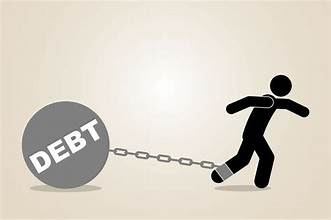
Egypt’s creditor demolishing the debtor: the state’s defence of the powerful over the weak (Nietzsche, 46, Stossel)
Nietzsche remarks in ancient Egypt the creditor would torture the debtor. He owed a debt and it needed to be paid. All the power was in the hands of the creditor. In this case, the creditor is protected by the authorities. This is further enmeshed by Roman legislation. Altering the mechanisms from an individualistic affair to political pressure only furthered the citizenry’s fall into elitist claws.
A debtor promised he would repay the creditor. Signing a contract for compensation if he doesn’t pull through. On principle, a debtor would repay lest he lose his most important assets. Whether he put his wife or children up for collateral. Such a system worked simply with the court. Sometimes, even without a court. The debtor’s word was sufficiently proposed to the creditor and he would fulfil his word. Though this wasn’t the purest picture. Minute details flushed out the gruesome consequences of failure. A debt no one would wish to fail. The creditor lined up the equivalent compensation. The debt needed to be paid. Ideally, in cash but collateral was necessary for compensation. Whether that be coins, material or limbs. Everything is worth a price. A wife, a house or afterlife. Debt was a serious measure. Those who faltered to repay their loans were punished for their inadequacy. Yet the creditor wished solely to make back what was lost. Not taking too much pleasure in hurling the whip at the debtor. Forced cruelty to ensure the compensation was sufficient.
The roman code transformed the paradigm. The Roman code did not dictate details. Punishment was no longer about monetary compensation but deserved pain. A pleasurable rejoice in inflicting agony on the debtor. The creditor no longer sought to make up the money but to demonstrate power. To feel more than the debtor. The debtor failed and now he will feel the fury of failure. The debt wouldn’t ever be paid monetarily but only suffering. The creditor would only get enjoyment. Able to vent his frustration on the debtor. In Egypt the debtor suffered but the creditor made his money back. The debtor bargained and he had to provide the asset to the creditor. The creditor regains his loan but with Rome the creditor gains temporary elitism. He feels elated. A king about to deal out punishment. An ability afforded to the failure of a creditor. The Roman shift placed the creditor on a new playing field. Altering the perspective changes the relationship. The debtor is the villain and the creditor is the hero. The creditor is heroically punishing the evildoer for his crimes. The transactional relationship has became political.
Nietzsche’s conclusion falls to the citizen who doesn’t pay his taxes. The spoiled brat who mooches off society. Teenagers who take out student loans and refuse to pay them back because they are too great o they were naive or it is just immoral are trying to swing the debtor into the hero. A rebel with a cause. A man wrongly shamed. Look the debtor is a victim. He is young and naive. How dare the big bad university demand so much money. How dare the government demand the money provided back. The loan is a gift with no strings attached in their student’s mind. The bill is a horror show. Though Nietzsche may reckon that this is a deal done in bad faith. The punishment the debtor endures is not with the requisite realisations in mind. The student is accepting upon himself clauses he doesn’t comprehend. The imbalance diverges from Egypt because the debtor never plans on repaying his debt. The debtor is a grifter. On the other hand the debtor was manipulated by the creditor. Though again Nietzsche may have little sympathy for the gullible, it doesn’t fit his theory of the ideal transactional link. It isn’t just about debt but about principle from both parties.
Yet there is a second direction for his theory which is the persistence of pleasurable punishment. It doesn’t seem the government is giving loans in an effort to punish students. yet it does victimise them and turns them into media celebrities. A detestable trait Nietzsche shows. Another example follows a comment about CEO’s taking all the risk with workers and thus if the company goes under the workers’ do not inherit that debt. What is interesting concerns the work relationship between employer and employee. An employer writes up a contract to pay for work but many a time if the worker screws up he is fired without compensating for his mistake. There are cases where an employee needs to compensate. A renter who smashes a whole in the wall needs to compensate. The debt is the hole that was not there upon entry. Damages are added to employee demands. How much does the debtor incur is relative to the creditor’s motto. Nietzsche is correct in certain instances but much of today is considerably about making a buck. Thus an individual who causes more harm will be indebted to the company. Forced to pay additional damages. The contract stipulating non-work mistakes can be enforceable. An employee smashing a hole in the wall is a replacement on his wallet.
Principally, the debtor screws up and ought to receive the punishment. Yet in cases where the creditor is dealing in bad faith may inquire some sympathy. The creditor who unruly hunts for his prey is a perpetrator who is using his prestige against the debtor. As Nietzsche demonstrates, the shift in Rome was an elitist mentality. It wasn’t a private affair but a public spectacle. Transactional relationships were pleasurable assaults. Dealing justice through pain. The law and more so government backing this interest only demeans debtors who are generally impoverished minorities or immigrants. It only feeds into weaponising debt to antagonise the debtor. The debtor placed himself on the line for growth but the debtor today just wants to make a buck and put himself on the map. The creditors are slimy and the banks charge major interest. The pleasure for punishment doesn’t meet the consequential depth of failure. One must demonstrate his essence to the whole. Punishment is no longer failure but laughable theatre. You failed try once again. He failed hit him. Where is the gore and inspiration. The drive and ambition to overcome the hurdle for the sake of values.
The relationship is sullied. It isn’t taken seriously nor can it. Pleasurable pain only further undermines the integrity of the deal. The interest mounted on the loan fuels dishonesty and dehumanisation. The bank loans other people’s money. It attempts to make a profit on the return. If life is profit then lives are profit. Pleasure is all that matters. The pain from the debtor’s boneheaded move does little to change anything. Regulate a little more that will change the paradigm. The entire system is designed to confuse. Don’t look too closely. It is all a pyramid scheme. A system dedicated to funnelling funds and providing loans for those that cannot compensate. Loans can be prosecuted and assets seized. It still exists today as it did in Nietzsche’s Egypt but what is different is the structure. The gift from the bank, the profit and the persuasion. The debtor is abut a parcel of the community. His debt is his own not that of other people in society. Not for their taxes to cover his idiocy. The pleasurable pain is hurting the innocent citizens robbed for his disillusionment. From the singular model of personal responsibility to collective punishment. A man without integrity, a man without morals. A fool preying on others.
While the debtor isn’t always to blame. There are sleazy creditors out to take advantage of the debtor. Not everyone is provided the resources to succeed. A loan helps, it also places a mark over his head. Yet the sincerity of the loan was all that he cared about. He couldn’t back out nor could he default. The relationship must regain its honesty and integrity. Creditors manipulate debtors and debtors avail responsibility. Both sides need to rekindle that sacred bond.


